Andes
With 15 years of experience and many projects meant to explore the inmense Andean biodiversity, but also tackle environmental issues such as climate change, land-systems, invasive species, urban planning and conservation priorities.
Ongoing projects
Our Services
We offer a wide range of services to meet your needs.
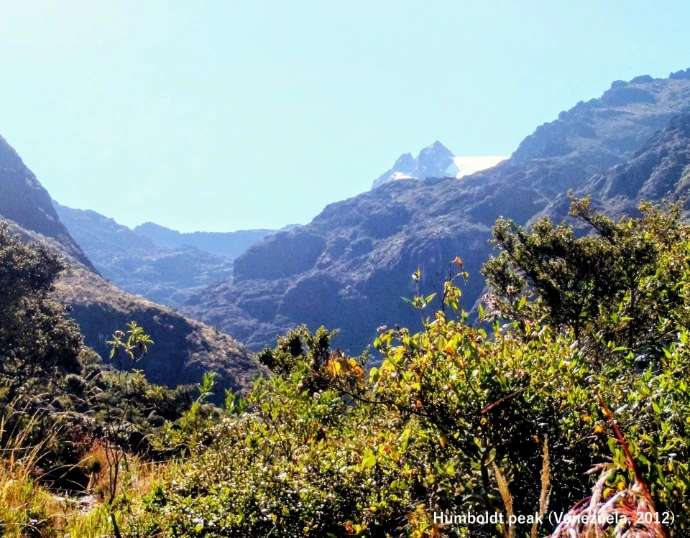
Red-Páramo
The red list of páramo ecosystems
A project aiming to assess the collapsing risk of páramo ecosystems in the northern Andes: Venezuela, Colombia, Ecuador, Peru.

According to the IUCN-CEM ecosystem classification
NA
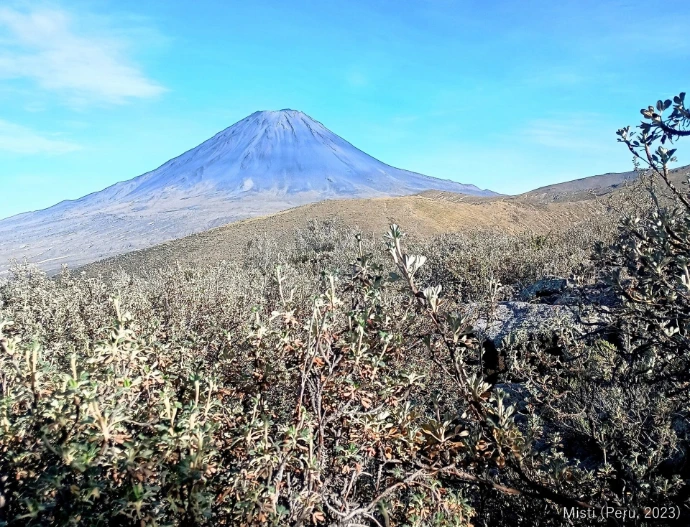
Andean Treelines and alpine covers
Diverse projects aiming to delimit and characterize Andean treelines and above ecosystems, their ecology, land-systems and dynamics.
Ressources: Andean Treelines and covers
- What is the current delimitation of the Andean alpine, and how does its treeline shift along the cordillera? A remote sensing project aiming to evaluate the ecography of Andean treelines. ONGOING
- Collaborators: Enrique Zuñiga (Peru), Diego Osorio (Colombia), Daniela Diaz (Colombia)
- A review of the socio-ecological dynamics of Andean treelines (2023-2025)
A remote-sensing project to assess treeline naturality, by evaluating diffuse, sharp and moving treelines in the Northern Andes.
ONGOING
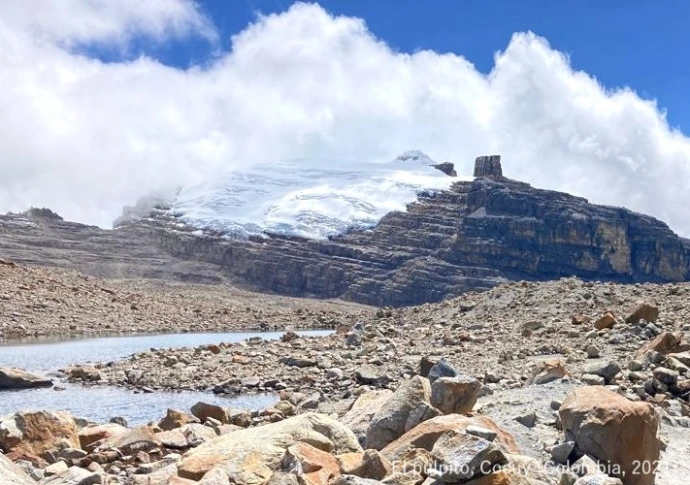
Postglacial chronosequences
We all wonder, what happens when glaciers retreat? What novel ecosystem emerge? What is their role in water and landslide prevention?
Ressources: Postglacial chronosequences
With projects focusing on plants, soil biota and biological interactions, we explore what primary successions look like in tropical mountains.
Diaz et al. In review.
Anthelme et al. (2022)
Using a post-glacial chronosequence between the little ice age and present below the Conejeras glacier (Colombia), we sought to determine how time since deglacierization affects the composition, the biogeographic origin and the growth form distribution of novel tropical alpine plant communities. These results suggest the existence of a strong climatic debt for some native species, tropical growth forms and taxa of tropical origin, which may translate into significant taxonomic and functional losses whereas the few observed gains concern the establishment of non-native species.
Postglacial ecosystems build their own structures and functions. How about soil? How fast does it develop, how much carbon can it store? A story in ecosystem building.
Diaz et al. In review Carbon
Worlwide projects to decipher ecological dynamics following glacial retreat on mountains.
List of projects (contact for publications):
Ficetola et al. 2024. The development of terrestrial ecosystems emerging after glacier retreat (Nature)
Carteron et al. 2024. Dynamics and drivers of mycorrhizal fungi after glacier retreat (New Phytologist)
Cantera et al. 2024. The importance of species addition ‘versus’ replacement varies over succession in plant communities after glacier retreat (Nature)
Guerrieri et al. 2024. Local climate modulates the development of soil nematode communities after glacier retreat (Global Change Biology)

Climate change
Modelling approaches to project climate change impacts by the end of the XXI century
IN PROGRESS
Biogeography
Spatial patterns and temporal trends in species and ecosystem diversity in the high Andes
IN PROGRESS
Invasive species
Evaluation of species' distribution and coverage along mountain roads (MIREN). Assessment of management efficacy of widespread alien species, Ulex europaeus, Rumex acetosella.
IN PROGRESS